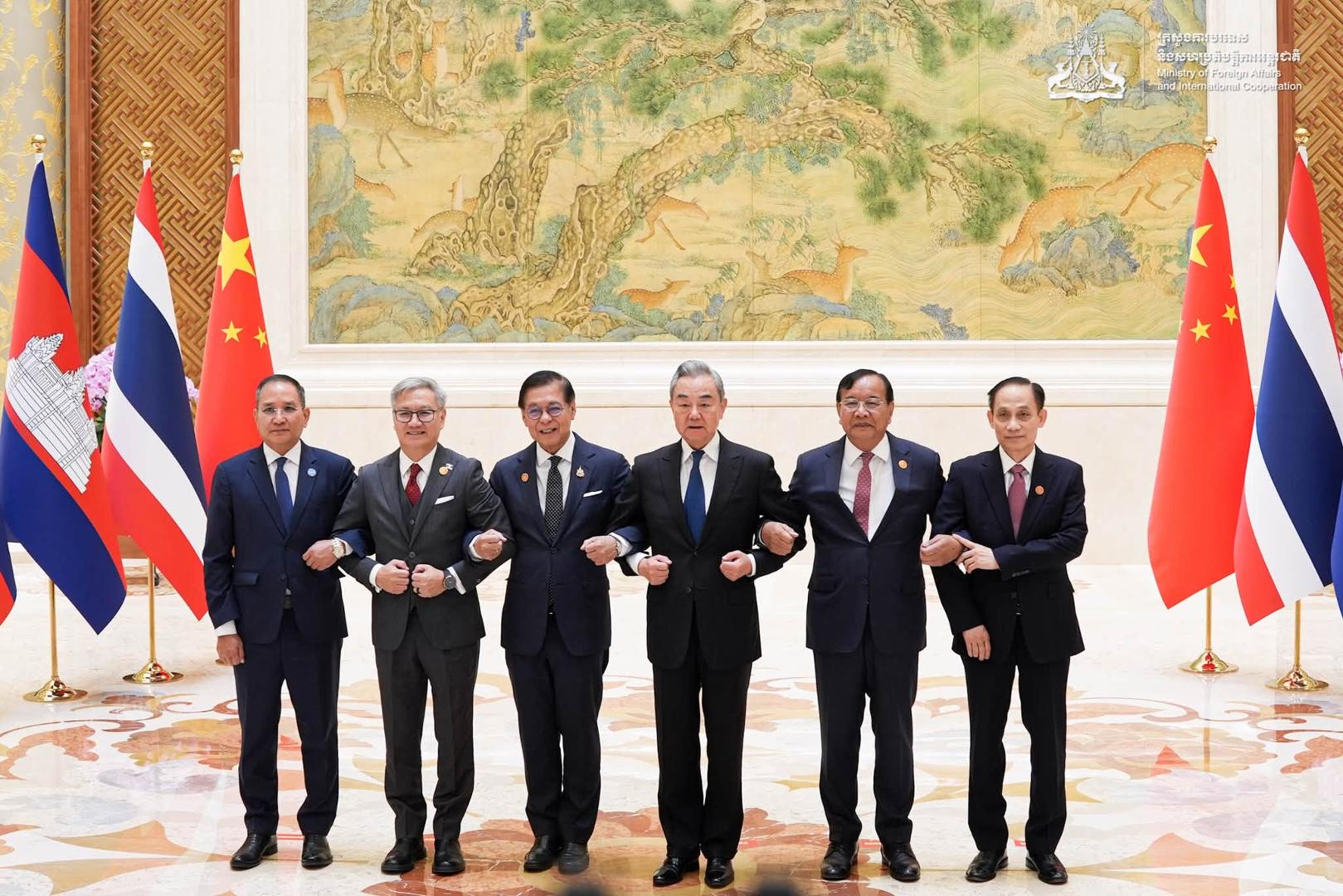
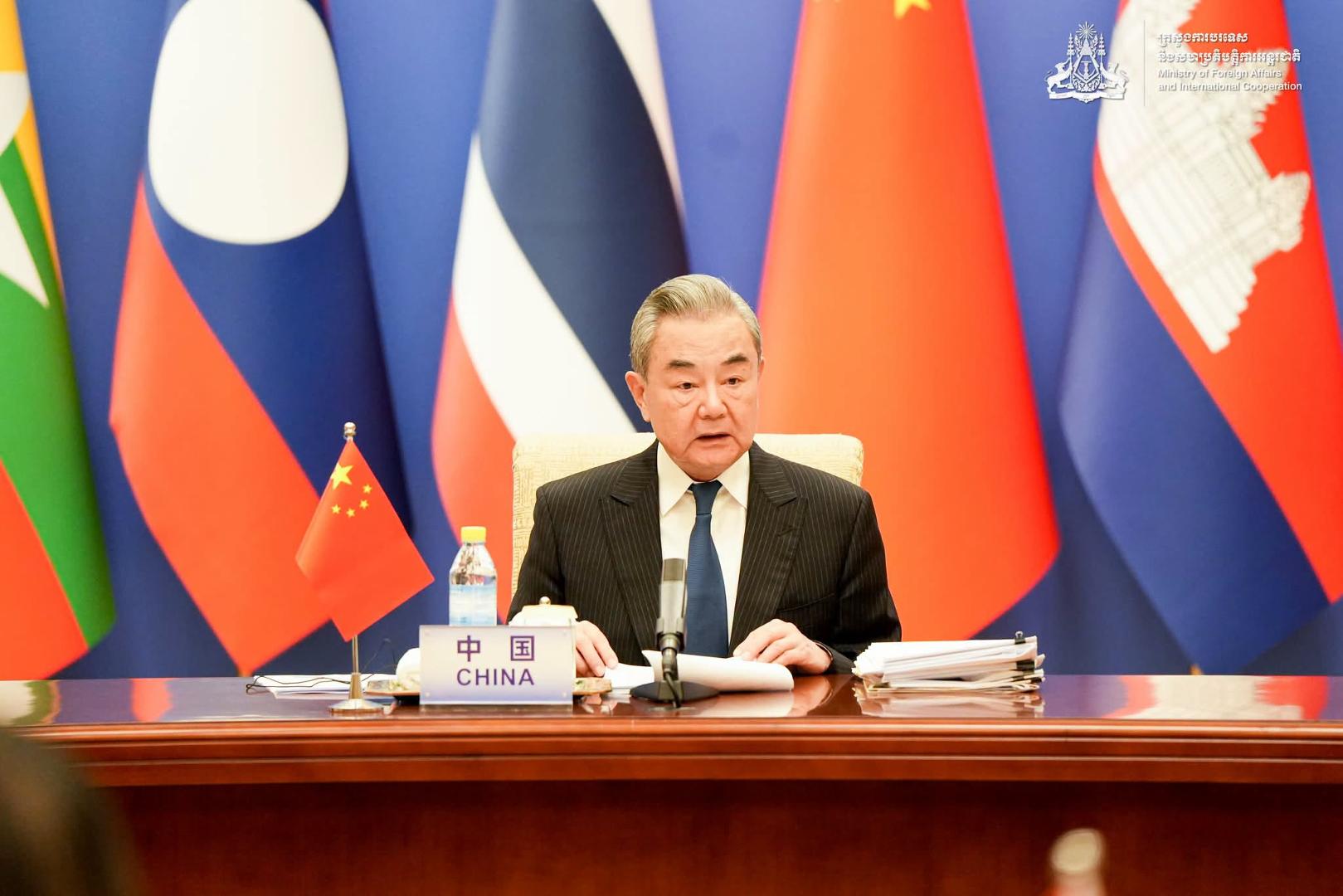
On November 4, 2026, Deputy Prime Minister Prak Sokhonn, Minister of Foreign Affairs and International Cooperation, attended the 11th Mekong–Lancang Cooperation Foreign Ministers’ Meeting in Beijing, the capital of the People’s Republic of China. Under the theme “Strengthening the Building of a Community with a Shared Future: Opening a New Chapter for Mekong–Lancang 2.0,” the meeting focused on setting directions and deepening cooperation among member countries in a new phase.
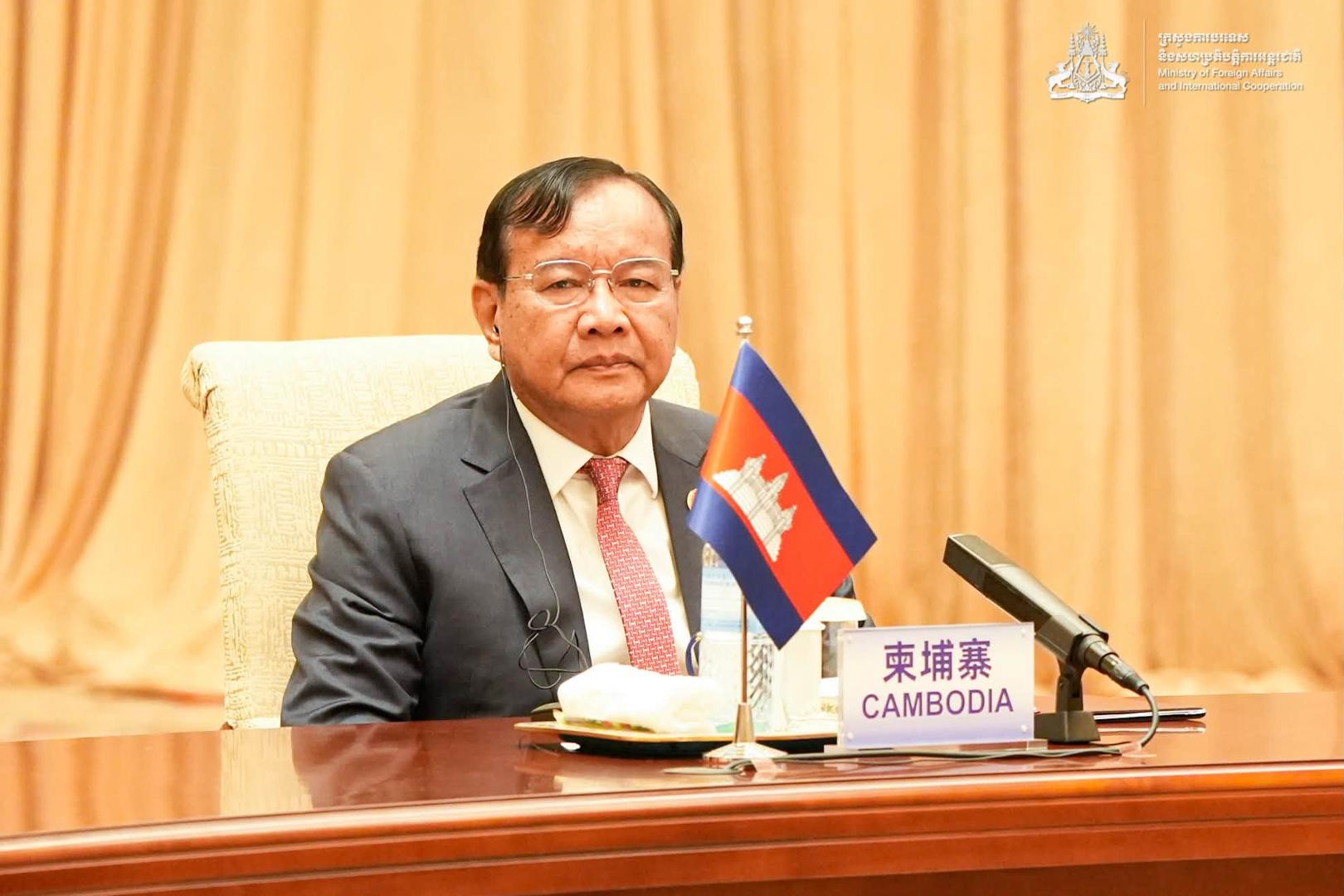
Prak Sokhonn commended the efforts of all parties over the past decade to advance subregional integration, economic growth and practical cooperation under the Mekong–Lancang Cooperation (MLC) framework. He reaffirmed Cambodia’s commitment to continued active participation so that Mekong–Lancang 2.0 delivers tangible results and meets the needs of people in the region.
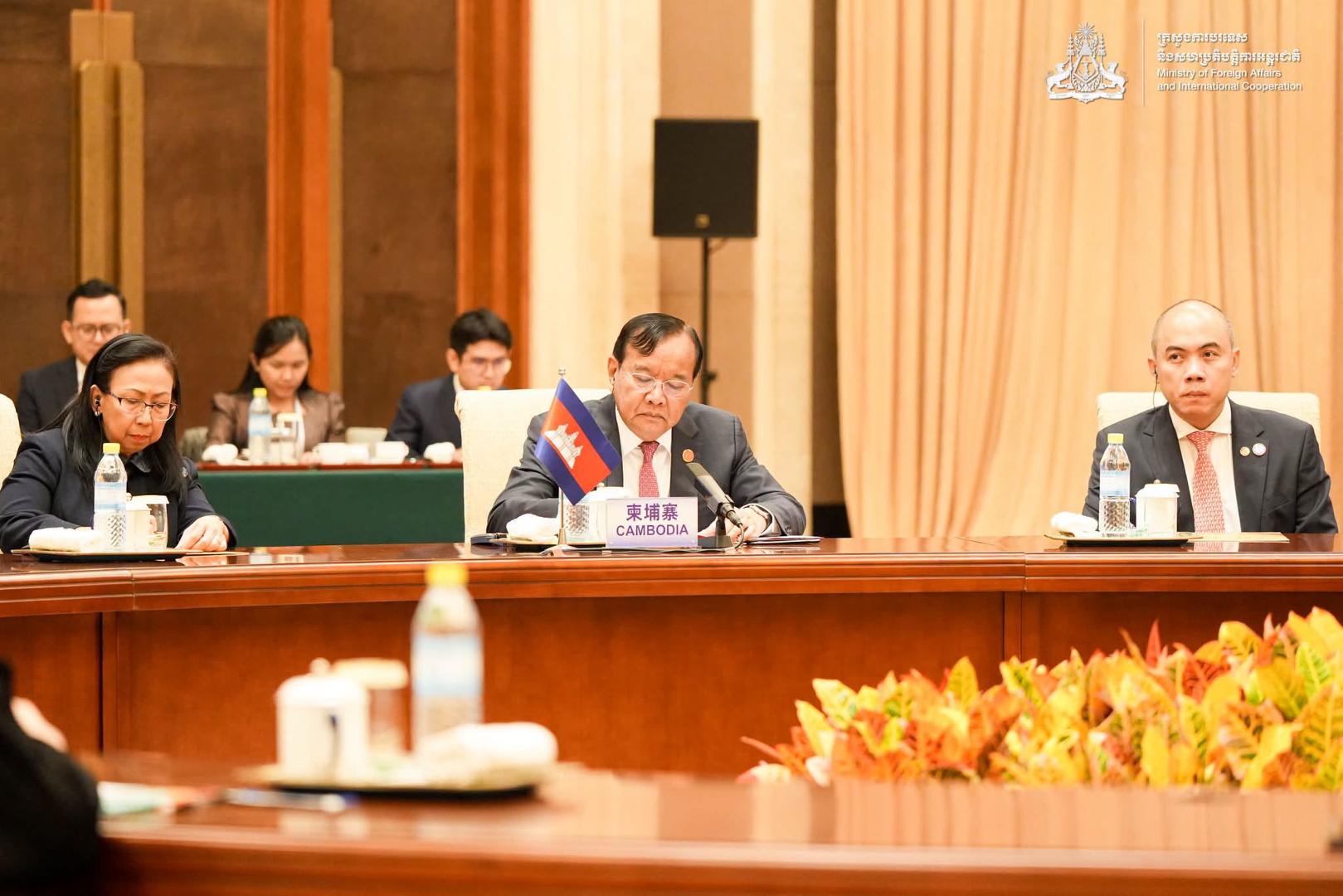
Cambodia outlined four priorities for advancing future cooperation: maintaining peace and stability, managing water resources responsibly, strengthening cooperation against transnational crime and reinforcing people-to-people ties. These priorities were described as an important foundation for building a peaceful, stable and sustainably developing Mekong–Lancang community that brings shared benefits to the peoples of its member countries.
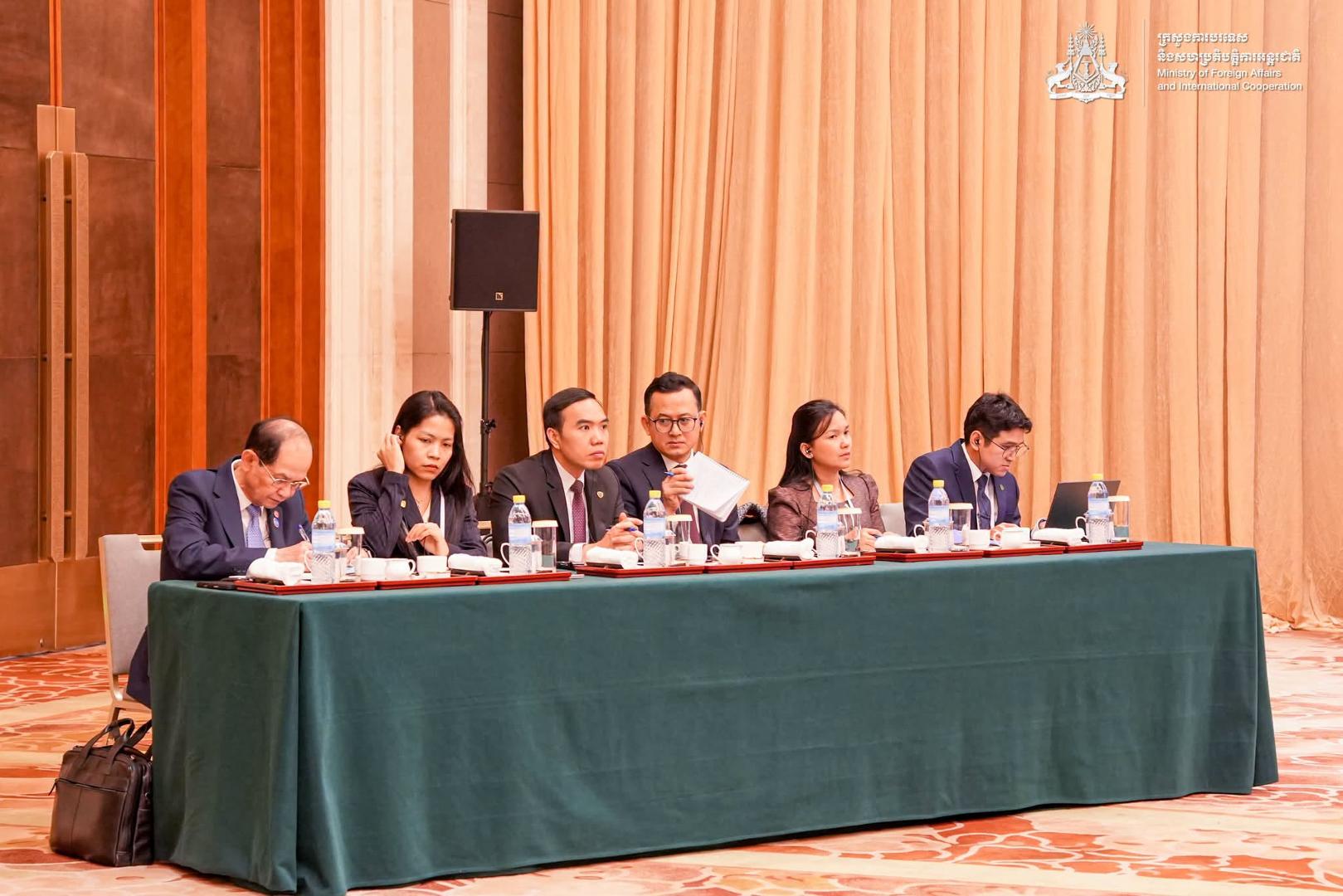
The Mekong–Lancang Cooperation Foreign Ministers’ Meeting plays an important role in strengthening friendship, trust and partnerships between the countries along the Mekong River and China. It provides an opportunity for members to discuss and exchange views, seek shared solutions to regional challenges and set cooperation directions that address people’s practical needs.
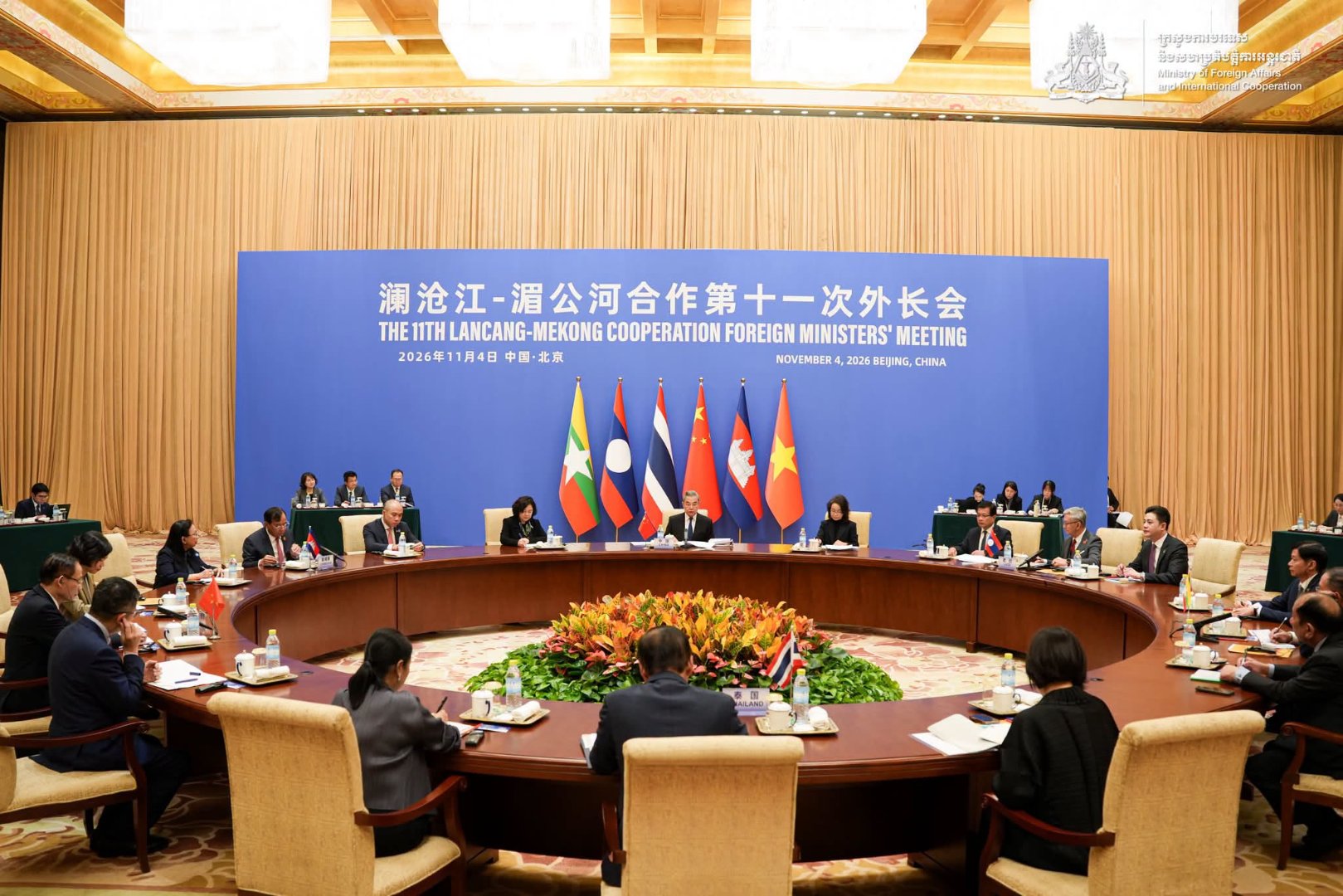 In particular, cooperation under the Mekong–Lancang framework can support infrastructure connectivity, transport, trade, investment, agriculture, energy and human resource development. Sustainable water management, information and experience sharing, and joint responses to natural disasters can also improve water, food and energy security in the subregion.
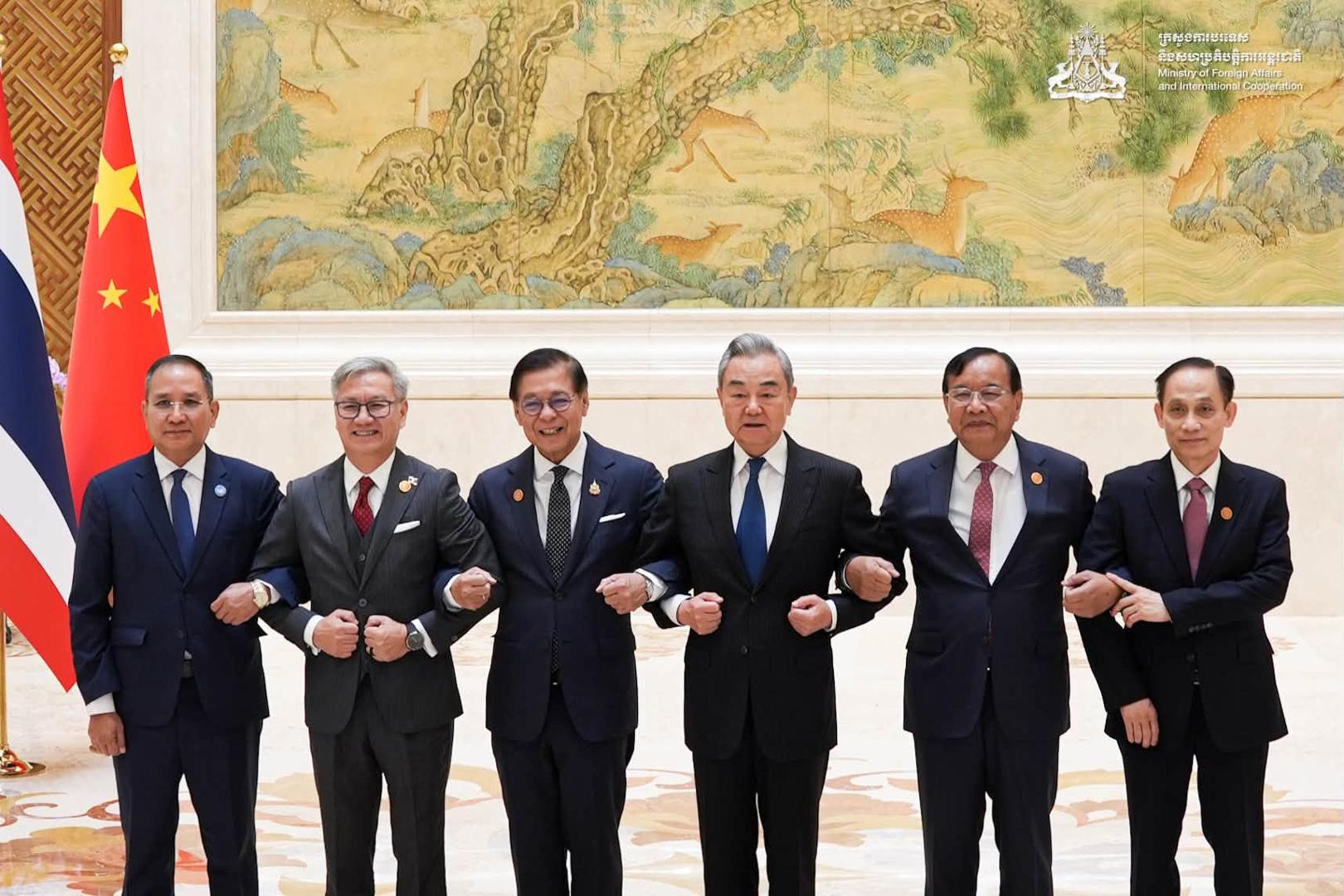
Furthermore, stronger cooperation against transnational crimes such as human trafficking, online scams and other cross-border offences can improve public security and safety. For Cambodia, this cooperation offers valuable opportunities to expand markets, attract investment, create jobs and advance socioeconomic development to improve people’s livelihoods.
By: Sopheak.