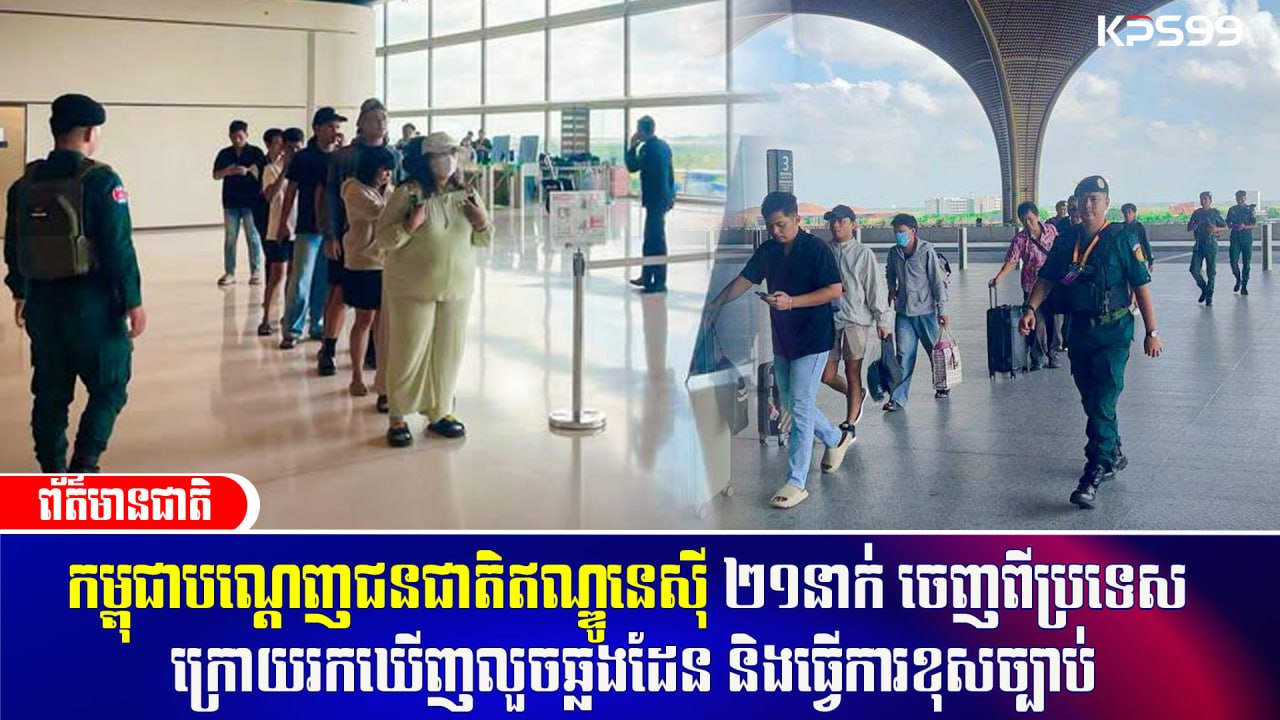
Cases of Japanese nationals detained on suspicion of telecom and online fraud in Cambodia have continued to emerge. On November 4, local police detained 13 Japanese nationals in a suspected scam building in Bavet, southeastern Cambodia. In August, 29 other Japanese working as callers were arrested in Poipet in the northwest.
Japan’s Fuji News Network (FNN) reported yesterday that the situation had become so serious that the Japanese embassy was receiving rescue pleas almost every week.
Sharp increase in scam cases involving Japanese nationals
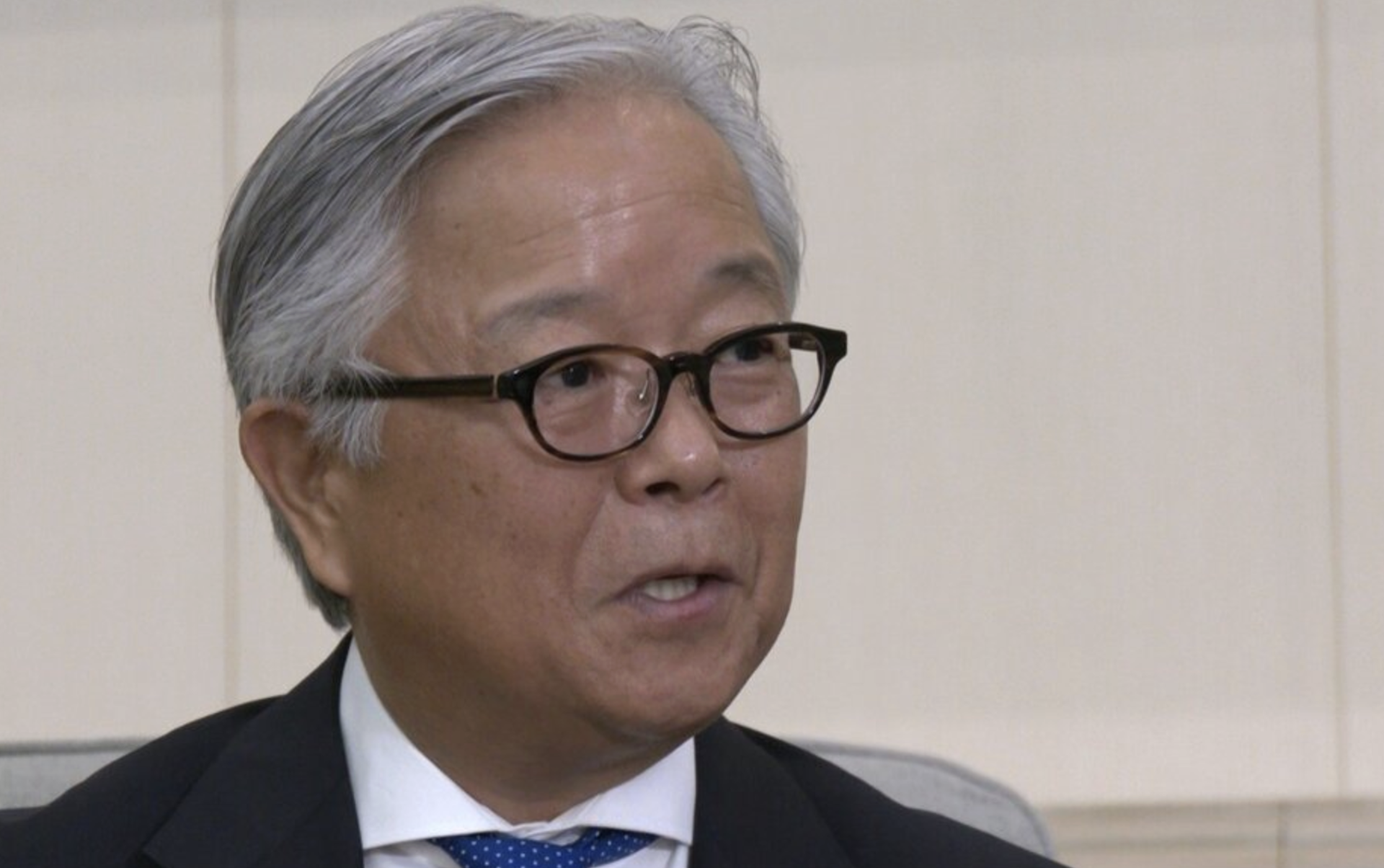
FNN interviewed Japan’s ambassador to Cambodia, Atsushi Ueno, exclusively to understand the situation.
Ueno said his impression was that cases involving Japanese nationals had increased suddenly from 2023.
He described two backgrounds: people who were struggling financially in Japan, unable to turn to relatives or friends, and accepted an offer out of desperation despite knowing it was wrong; and people who came to Cambodia after believing promises of earnings without realizing the seriousness of the situation.
He also identified recruitment through social media as a major factor worsening the situation.
Rescue pleas almost every week; embassy on call 24 hours a day
Reports say people at scam compounds can face violence and torture if they miss performance targets. Some have risked their lives to escape or sent distress signals from inside, eventually prompting police action.
How many requests for help has the Japanese embassy received from its nationals?
Ueno said he could not disclose exact numbers because cases were still being handled, but added that his impression was that requests came almost every week.
Appeals come not only from people held captive but also from relatives and friends by phone or email. Embassy staff remain on edge every day to respond urgently.
Ueno said staff were on call 24 hours a day, including weekends, and felt constantly under pressure. They frequently reported new cases or people they had become aware of, requiring continuous thought about how to respond.
Main challenge: finding detention sites
Even after a plea arrives, major obstacles remain before a successful rescue.
Most captives have had their passports and phones confiscated and may not even know where they are.
Ueno stressed that pinpointing detention sites was crucial: a struggle between criminal groups hiding their locations and the embassy trying to locate and rescue people.
He thanked Cambodian police for cooperating, saying they responded quickly to Japanese requests.
Towards eliminating scam compounds
Japan has taken measures including supporting Cambodia’s immigration-control capacity through official development assistance and posting safety warnings on the embassy website.
Ueno acknowledged that the measures had not eliminated the problem, saying similar cases continued to arise.
The United States has sanctioned Cambodian companies suspected of involvement in scams, while South Korea decided to send police officers for joint investigations locally.
Ueno said Japan would consider further responses with reference to other countries’ approaches. He added that both immediate treatment and measures addressing underlying causes were needed.
He explained that immediate measures meant ensuring more people understood that joining scams was wrong and would bring severe punishment. Addressing root causes meant revitalizing Japan’s economy and considering how to reconnect people with society. He said many were both offenders and victims, a problem that had to be addressed.